
A sudden drop in strength, stamina, or overall physical ability can feel confusing, and sometimes alarming. One week, daily tasks feel easy. The next, even simple activities leave you fatigued or uncomfortable. When there is no obvious injury or illness, these changes can be even harder to understand and easy to brush off at first.
In reality, an unexpected decline in physical performance often has more than one cause. Hormonal shifts, musculoskeletal problems, and changes in cardiopulmonary function can all play a role, sometimes at the same time. Understanding how these systems work together is an important step toward figuring out what is happening and finding a safe, effective way back to normal function.
Recognizing the Signs of Sudden Physical Decline
One of the first challenges is recognizing that something has actually changed. Many people assume fatigue or weakness is temporary, caused by stress, poor sleep, or aging. Those factors can matter, but a noticeable and ongoing drop in performance deserves closer attention.
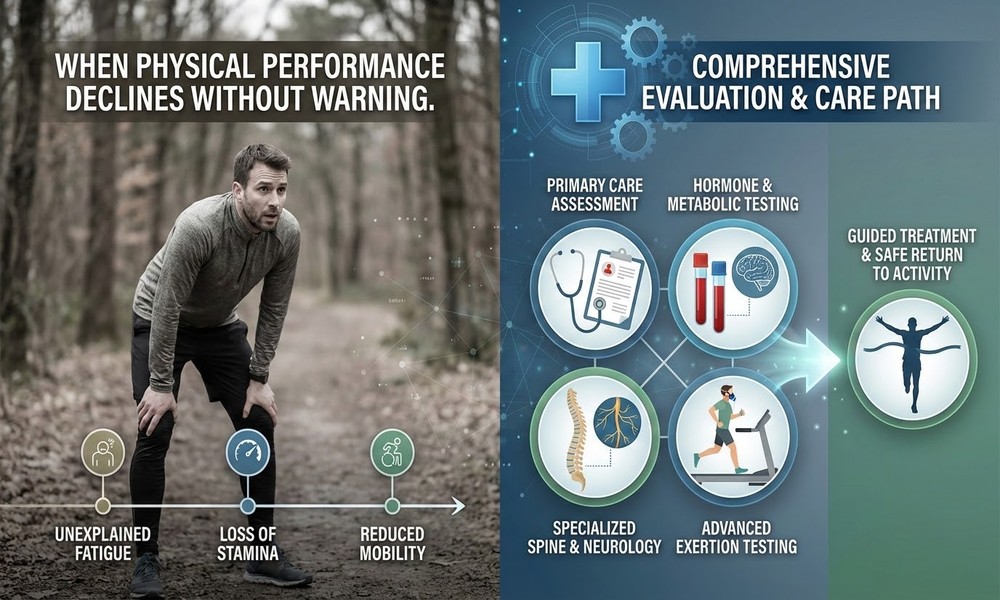
You may find that workouts feel harder than usual, even at lower intensity. Everyday tasks like climbing stairs, carrying groceries, or standing for long periods might suddenly take more effort. Recovery may also take longer, with soreness or fatigue lingering beyond what feels normal.
These signs often build gradually, even if they seem sudden in hindsight. Paying attention to patterns, like consistent fatigue after mild activity or declining strength over several weeks, can help you tell the difference between a temporary dip and a real issue.
Hormonal Imbalances and Their Impact on Strength and Energy
Hormones regulate many of the body’s core functions, including metabolism, muscle growth, and energy production. When hormone levels shift, the effects can show up quickly in physical performance.
Low testosterone in men, or changes in estrogen and progesterone in women, can lead to reduced muscle mass, increased fatigue, and slower recovery. Thyroid imbalances can also affect energy levels and endurance, sometimes causing unexplained weakness or weight changes.
Clinics such as FYGulfCoast.com often assess hormone levels as part of a broader wellness approach. Their work in hormone therapy, including TRT or HRT, is often paired with weight management and general medical support to address underlying causes, not just surface symptoms.
Hormonal issues are not always obvious without testing. That is why a thorough evaluation matters more than guesswork when physical performance changes for no clear reason.
How Multiple Factors Can Overlap
One of the most important things to understand is that physical decline is rarely caused by just one issue. More often, it comes from several smaller problems interacting with each other.
For example, a mild hormonal imbalance might affect muscle recovery, while a minor spine issue limits mobility. At the same time, reduced cardiopulmonary efficiency can lower endurance. On their own, each issue may seem manageable. Together, they can have a major impact on performance.
This overlap can also make diagnosis more complicated. Symptoms may not point clearly to one system, and improvement in one area may not fully solve the problem if other factors are still in play.
Recognizing that complexity can help prevent frustration and lead to more realistic, well-rounded treatment plans.
The Role of the Spine and Musculoskeletal System
The spine plays a central role in movement, balance, and strength. Even minor issues in the back or neck can affect how efficiently the body performs during physical activity.
Conditions such as disc degeneration, nerve compression, or chronic inflammation can reduce mobility and change movement patterns. Over time, that can force other parts of the body to compensate, which may lead to fatigue or weakness.
Specialized spine surgery doctors at CalSpine MD focus on diagnosing and treating spine-related conditions that may not be obvious at first. Their work can range from conservative care to surgical intervention, depending on the cause and severity of the problem.
In many cases, people assume reduced performance is simply due to general fatigue, when the real issue is mechanical. Identifying and treating structural problems can make a meaningful difference in strength and endurance.
Cardiopulmonary Capacity and Endurance Changes
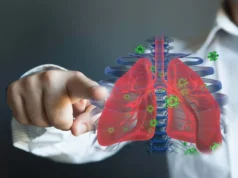
Another important factor is how well the heart and lungs support physical activity. Even when muscles and joints are functioning properly, reduced cardiopulmonary capacity can limit endurance and cause early fatigue.
You may notice shortness of breath during activities that used to feel easy, or an inability to sustain effort for as long as you once could. These changes may result from deconditioning, underlying medical issues, or problems with how the body uses oxygen during exertion.
The Workwell Foundation is known for its work in exertion testing, particularly through the use of a two-day cardiopulmonary exercise test, or CPET. This type of assessment can show how the body responds to repeated physical stress and offer insight into endurance limitations that may not appear in standard testing.
Understanding these patterns can help distinguish between general fatigue and measurable limitations in energy production and oxygen use.
Pathways to Recovery and Treatment Options
Once the underlying causes are identified, treatment can be tailored to the individual. That often includes a mix of medical care, physical rehabilitation, and lifestyle changes.
Hormone therapy may help restore energy levels and support muscle function when imbalances are present. Physical therapy or targeted exercise programs can address mobility issues and safely rebuild strength. In some cases, more advanced treatment, including surgery, may be necessary for structural problems.
For people dealing with endurance limitations, structured activity plans based on exertion testing results can help prevent overexertion while gradually improving capacity. This becomes especially important when recovery after exertion is delayed or inconsistent.
The goal is not only to return to previous performance levels, but to do so in a way that lowers the risk of future decline or injury.
The Importance of Comprehensive Medical Evaluation
When performance declines without a clear cause, a broad and coordinated medical evaluation is often the best approach. Focusing on just one possible issue can lead to incomplete answers.
Primary care providers are usually the starting point, helping rule out common conditions and guide additional testing. Blood work, imaging, and functional assessments can all contribute to a clearer picture of what is going on.
Facilities like Grand Forks Clinic offer integrated care that includes preventive services, diagnostics, and support for hormone balance. In a setting like this, multiple aspects of health can be evaluated together rather than separately.
A comprehensive approach improves the chances of identifying overlapping factors, which is often the case when physical performance declines without an obvious explanation.
Monitoring Progress and Preventing Future Declines
Recovery does not end when symptoms improve. Ongoing monitoring plays an important role in maintaining progress and preventing setbacks.
Regular follow-ups with healthcare providers, repeat testing, and treatment adjustments can help make sure improvements last. Small shifts in energy, strength, or endurance should be noticed early, since they may signal the need for changes in care.
Lifestyle factors also matter. Sleep quality, nutrition, stress management, and consistent physical activity all affect how the body performs and recovers. Addressing these areas alongside medical treatment creates a stronger foundation for long-term health.
Over time, many people regain not only their previous level of function, but also a better understanding of how their body responds to different demands.
Conclusion
A sudden decline in physical performance can be unsettling, especially when there is no obvious cause. But these changes are often tied to identifiable and treatable factors, even when more than one system is involved.
By taking a comprehensive approach that includes hormonal evaluation, musculoskeletal assessment, and cardiopulmonary testing, it becomes possible to uncover the reasons behind these changes. With the right care and support, many people can safely return to their usual activities and regain confidence in their physical abilities.