
Colorectal cancer is one of the leading causes of cancer-related deaths worldwide, but it is also one of the most preventable and treatable cancers when detected early. Many people delay digestive screening because they feel healthy or assume symptoms will appear immediately if something is wrong. However, colorectal cancer often develops quietly over several years before noticeable warning signs appear.
This is where a colonoscopy exam plays an important role. The procedure allows doctors to examine the colon and rectum directly for abnormalities that may otherwise go unnoticed. Early detection may significantly improve treatment outcomes and, in some cases, prevent cancer from developing altogether.
Understanding how screening works may help individuals make more informed decisions about preventive healthcare.
What Is a Colonoscopy?
A colonoscopy procedure is a medical procedure used to examine the lining of the large intestine and rectum.
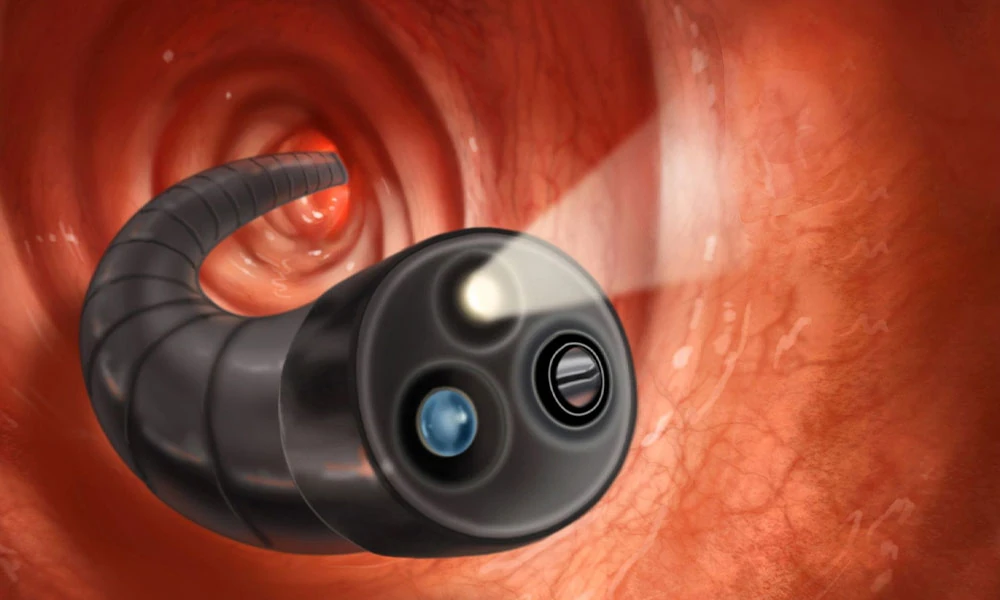
During the procedure, a doctor inserts a thin flexible tube with a small camera through the rectum to inspect the colon for abnormalities. The camera sends detailed images to a monitor, allowing the doctor to identify polyps, inflammation, bleeding, ulcers, or suspicious growths.
The procedure is commonly performed under sedation to improve patient comfort. Most individuals return home on the same day after recovery observation.
How Colon Cancer Develops
Most colorectal cancers do not appear suddenly.
In many cases, cancer begins as small noncancerous growths called polyps. Over time, certain polyps may gradually develop into cancer if left untreated. This process often occurs slowly over several years.
Because early-stage colorectal cancer may not cause obvious symptoms, some individuals remain unaware of the disease until it becomes more advanced.
A colonoscopy helps doctors identify these abnormal growths early, sometimes before cancer develops at all.
Detecting Cancer Before Symptoms Appear
One of the biggest advantages of digestive screening is the ability to detect disease before symptoms begin.
People with early colorectal cancer may feel completely healthy. Some individuals experience only mild digestive changes that are easy to ignore, such as occasional constipation, bloating, or fatigue.
By the time symptoms such as rectal bleeding, abdominal pain, or weight loss appear, the disease may already be more advanced. Routine colonoscopy screening allows doctors to detect abnormalities earlier, often before symptoms become severe.
Removal of Precancerous Polyps
Unlike many other cancer screening methods, this procedure may help prevent cancer from developing.
During a colonoscopy, doctors can remove suspicious polyps immediately. Removing these growths reduces the risk of future cancer development and may eliminate potential problems before they become dangerous.
Polyps removed during the procedure are usually sent for laboratory analysis to determine whether cancerous or precancerous changes are present.
This preventive feature is one reason why digestive screening is considered highly effective.
Who Should Consider Screening?
Doctors generally recommend routine colorectal screening beginning around age 45 for average-risk adults. However, certain individuals may require earlier or more frequent screening depending on risk factors. These include:
- Family history of colorectal cancer
- Previous colon polyps
- Inflammatory bowel disease
- Genetic conditions linked to colon cancer
- Persistent digestive symptoms
Symptoms such as blood in the stool, unexplained weight loss, chronic abdominal pain, or long-term bowel habit changes should always be medically evaluated.
What Happens During the Procedure?
Preparation is important for accurate examination results.
Before the procedure, patients follow bowel preparation instructions to cleanse the colon. During the examination, sedation is usually provided to improve comfort.
The doctor carefully examines the colon lining and may remove polyps or collect tissue samples for biopsy if abnormalities are found.
Most procedures are completed within an hour, although recovery from sedation may require additional observation afterward.
How Accurate Is the Procedure?
A colonoscopy is considered one of the most accurate methods for detecting colorectal abnormalities.
The procedure allows direct visualization of the colon lining, making it highly effective for identifying polyps, tumors, bleeding sources, and inflammation. However, no medical test is perfect, and certain small lesions may occasionally be difficult to detect.
Following proper bowel preparation instructions helps improve examination accuracy and visibility during the procedure.
Conclusion
A colonoscopy can detect colorectal cancer early and may even help prevent cancer from developing through the removal of precancerous polyps. Because colorectal cancer often progresses silently, routine screening plays an important role in identifying abnormalities before symptoms become severe.
Early detection may improve treatment outcomes, reduce complications, and provide greater peace of mind. Understanding the value of preventive digestive screening may encourage more individuals to prioritize their long-term health and seek timely medical evaluation when needed.