

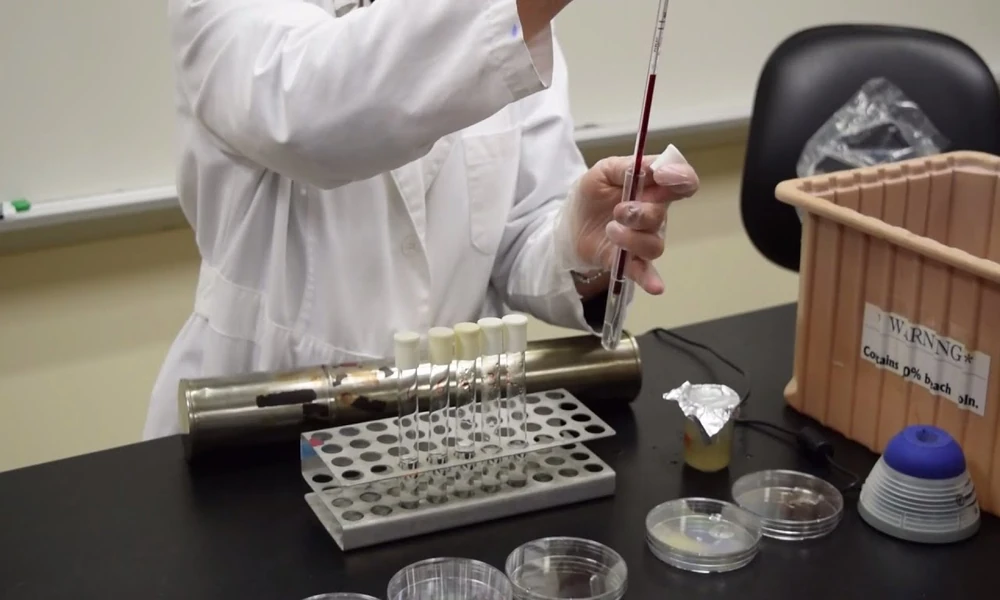
A laboratory product can have a clear label and still leave important questions unanswered. When research involves compounds such as retatrutide peptide, the supporting documentation matters as much as the product description. Researchers need to understand what a diluent contains, how it is described by the supplier, and whether the available evidence supports its stated purpose.
Read the label beyond the product name
- Product names are useful for identifying materials, but they do not tell the whole story. A label should provide enough information to distinguish the product from other liquids used in laboratory settings.
- Bacteriostatic water is water containing an antimicrobial preservative, commonly benzyl alcohol. Its composition differs from that of sterile water without a preservative. These products should not be treated as interchangeable simply because both contain water.
- The intended use also matters. A product described for laboratory research should not automatically be considered suitable for human administration. Its stated purpose, specifications and applicable restrictions need to be understood before any research decision is made.
Why documentation matters
- Product documentation gives researchers a basis for assessing what they are considering. A brief online description may identify the product, but it may not answer questions about testing, packaging or quality controls.
- Useful information includes the declared ingredients, concentration where applicable, batch identification, storage instructions and expiry information. Testing records can add further context, provided they clearly relate to the product being assessed.
- For anyone comparing bac water products, the preservative content and stated intended use deserve particular attention. A familiar product name is not enough to establish that two products have the same composition or meet the same requirements.
- Documentation also has limits. A supplier’s description is not independent confirmation, and a test report only supports the claims covered by its methods and results.
Packaging and storage deserve a closer look
- Packaging is part of the information needed to assess a laboratory material. Researchers should be able to identify the product and review the manufacturer’s stated storage conditions.
- Instructions about temperature, light exposure and expiry should be followed as provided by the manufacturer. Once packaging has been opened, the relevant product instructions and applicable laboratory procedures become especially important.
- A product’s appearance alone cannot establish its quality. Clear liquid, intact packaging or a professional looking label does not prove that a material is free from contamination.
Questions researchers should askWhat is the difference between bacteriostatic water and sterile water?
Bacteriostatic water contains an antimicrobial preservative, while sterile water products may contain no preservative. Their composition and intended uses differ, so one should not be substituted for the other without appropriate guidance.
Does a product label prove quality?
No. Labels identify declared product details, but quality assessment may require supporting documentation, suitable testing and information linked to the specific batch.