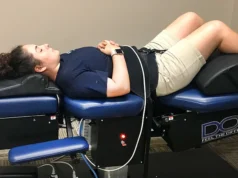


Ongoing back discomfort can affect daily movement and make ordinary activities harder to manage. Persistent pain may also interrupt sleep and reduce physical activity. Gentle chiropractic care offers a supportive approach through guided movement and personalised attention. A chiropractor north austin can assess individual concerns and suggest suitable care based on physical needs and recovery goals.
What Causes Ongoing Discomfort?
Back discomfort can develop through several everyday factors. Extended sitting may place additional pressure on certain body areas. Repeated movements can also contribute to muscle tension over time. Poor posture during routine activities may affect natural movement patterns.
- Long sitting hours creating tension around the lower back.
- Repeated lifting activities placing pressure on surrounding muscles.
- Poor sleeping positions affecting natural body alignment.
- Limited movement contributing to stiffness during daily activities.
- Sudden physical changes affecting regular movement and flexibility.
Identifying these contributing factors helps create a suitable approach for improving physical function.
Which Care Options Support Recovery?
Noninvasive chiropractic care focuses on supporting natural movement through gentle physical guidance. Each approach considers personal concerns and activity levels. Consulting a chiropractor north austin can help individuals receive suitable techniques based on their movement patterns and personal needs.
- Gentle physical guidance supporting comfortable movement patterns.
- Targeted exercises improving flexibility around affected body areas.
- Posture guidance encouraging better positioning during daily activities.
- Movement adjustments supporting balanced physical function.
- Personal activity recommendations encouraging gradual strength development.
Regular communication helps individuals understand their progress while maintaining suitable recovery goals.
How Does Better Posture Help?
Maintaining proper posture supports balanced body movement throughout everyday routines. Sitting with suitable back support can reduce unnecessary physical strain. Regular position changes also encourage better movement habits. Simple adjustments during work or household activities may improve overall body coordination.
Consistent posture awareness helps manage muscle discomfort while supporting natural flexibility. Individuals can also follow personalised movement guidance to maintain better physical control.
Can Daily Habits Improve Mobility?
Daily routines play an important role in maintaining physical flexibility. Gentle movement throughout the day encourages better coordination. Appropriate rest gives muscles time to recover after regular activities. These habits can support lasting improvements while helping reduce recurring pain.
Simple daily practices include maintaining suitable sitting positions and avoiding prolonged inactivity. Gradual activity increases can also strengthen movement confidence. With consistent attention, individuals can develop healthier routines that support long-term physical function.
A healthier daily routine begins with practical changes that support lasting physical improvement. Consistent movement habits and suitable professional guidance can help individuals regain confidence during ordinary activities. Paying attention to body signals also encourages better decisions about physical demands. With an individual care plan, gradual progress becomes easier to maintain while supporting improved mobility and everyday independence.