

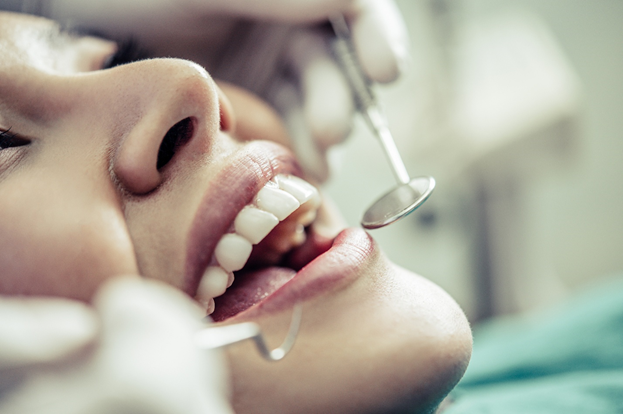
If you wince at the first sip of morning coffee or avoid ice-cold drinks out of fear of that sharp twinge, you’re not alone. Tooth sensitivity affects millions, and it’s natural to wonder whether a cosmetic upgrade like porcelain veneers (https://www.merriam-webster.com/dictionary/veneer ) will make things worse-or better. This article walks you through what you need to know, so you can decide with confidence.
Understanding Tooth Sensitivity
Sensitive teeth occur when the protective enamel thins or gum tissue recedes, exposing the porous dentin underneath. Hot, cold, or sweet foods can then stimulate the tooth’s nerve, causing pain. Existing issues such as small cracks or old fillings can also heighten sensitivity, especially if they’re near the front teeth where veneers are placed. Because porcelain veneers act as durable, tooth-colored restorations that cover the front surface, they may actually shield vulnerable areas. Still, every smile is different, so a careful exam-including a bite evaluation and digital imaging-helps determine whether veneers will ease or aggravate your sensitivity.
Preparation Process Explained
The veneer journey usually takes two visits. During the first, your dentist removes a paper-thin layer of enamel (often less than 0.5 millimeter) so the new shell lies flush. This emphasis on enamel preservation keeps most of the tooth intact, and many offices now offer minimal-prep veneers that need even less reduction. The phrase “drilling” can sound alarming, yet the process is gentle and precise.
Because veneers can fix chips gaps and stains, they save you from combining multiple procedures. After shaping, your provider takes impressions and chooses a shade that blends with neighboring teeth. Marco V. Colella DMD and other cosmetic dentists’ partner with high-end labs that sculpt each porcelain shell by hand, ensuring a lifelike finish.
Will It Hurt?
Thanks to local anesthesia, you shouldn’t feel pain during enamel contouring. If your teeth are already tender, your dentist may use a topical numbing gel first to reduce the initial sting of the anesthetic. Afterward, mild soreness or temperature sensitivity can last a few days. Most patients describe the sensation as no worse than recovering from a small filling.
The thin porcelain layer acts as an insulator against hot and cold shortly after applying, so many patients find they have a lot less discomfort once healing is complete, and this was not something they were expecting when considering an overall smile makeover.
Post-Procedural Comfort Tips
Knowing how to take care of your mouth, will give it time to adjust as well as protect your teeth and your investment:
- Keep it lukewarm: For the first 48 hours, sip only lukewarm drinks.
- Use a soft brush: Use a non-abrasive toothpaste with a toothbrush that is soft enough to prevent damage to the porcelain, whether it be by scratching it or removing the glaze.
- Skip the crunch: Avoid hard foods such as ice or nut shells until any tenderness has disappeared.
- Night-guard it: If you grind your teeth, by wearing a custom guard, you will protect the veneers and limit stress to the nerves.
- Check-ins are important: Schedule a follow-up appointment so that if you need any adjustments, we can address any issues before they get bigger.
These quick and simple actions can greatly reduce the amount of irritation of the nerves and also help the veneers to feel like your natural teeth again.
Alternative Options to Consider
Porcelain veneers are not the only route to a brighter, stronger smile. If sensitivity stems from extensive enamel loss, your dentist might suggest:
- Cosmetic dental bonding for small areas of wear. See here for more information.
- Desensitizing coatings that seal microscopic tubules in the dentin
- Orthodontics for alignment issues causing uneven bite pressure
- In-office fluoride treatments to reinforce weak enamel
For patients who grind heavily or have gum disease, veneers may be postponed until those concerns are resolved. Discussing goals and limitations openly lets you and your provider choose between veneers, minimal-prep veneers, or other solutions, ensuring your comfort as well as aesthetics.
Conclusion
Porcelain veneers can be a safe, and sometimes even pleasant, experience for patients with sensitive teeth when done in a careful way. With an empathetic dentist, who shares your value of conserving the enamel and placing veneers correctly, most patients find that they achieve durable visual beauty without compromising comfort. If you have wished on a star to smile freely without fear of discomfort, schedule a consultation and see if veneers-or some other option-is best for your sensitive smile.
After getting veneers, continuing to get a check-up every six months is still important. Your dentist can check the bonding, polish any accumulating features, check on early signs of gum recession while sensitivity is not present, and see how fit for adjustment your situation may be. Think of the visits as tune-ups to protect your investment to keep your smile longer.
You will also want to review your diet daily. If you are consuming acidic sports drinks or citrus snacks, you may be further damaging the natural tooth enamel around the edges of your veneers and experience sensitivity from the very thing you wish to avoid. If you rinse with water after acidic foods and maybe choose calcium-rich options like cheese or yogurt to set your tooth structure in more dentist- and smile-friendly condition.
Finally, you may keep a short “sensitivity journal” during the first month. You will want to write down what you are eating, drinking, or doing each time sensitivity occurs, and share those patterns with your dentist. In addition, like switching from whitening toothpaste to a desensitizing toothpaste, can also help preserve the brightness of your new smile for many years of wrong grabs or teeth-sucking.