
Spine surgery recovery involves more than incisions and physical therapy; it also includes fueling the body for healing. Dr. Larry Davidson, a specialist in spine health, highlights that adopting an anti-inflammatory diet can significantly reduce pain and support tissue repair in postoperative patients. What we eat directly influences inflammation, and for those healing from spinal procedures, dietary choices can make a noticeable difference in comfort and recovery speed.
Anti-inflammatory nutrition is increasingly recognized as a critical part of a holistic approach to post-surgical care, complementing movement, pain management and mental health support. By reducing systemic inflammation through diet, patients may experience less postoperative discomfort and improved mobility. Nutrient-dense, whole foods also support immune function, helping the body resist infection during recovery. When combined with physical therapy and adequate rest, anti-inflammatory eating can significantly enhance the body’s natural healing processes.
Understanding Inflammation and Its Link to Pain
Inflammation is a natural part of the body’s healing process. After spine surgery, inflammatory responses help repair tissue, fight infection and rebuild strength. However, excessive or prolonged inflammation can worsen pain, delay healing and contribute to systemic fatigue. That is especially problematic when dietary habits promote ongoing inflammation through added sugars, processed foods and unhealthy fats.
Anti-inflammatory nutrition works by supplying the body with nutrients that dampen this overactive response while supporting immune regulation and cellular repair. The result is reduced swelling, improved tissue oxygenation and decreased sensitivity in pain receptors, all of which benefit spine patients during recovery.
Key players in this process include omega-3 fatty acids, antioxidants and phytonutrients found in colorful fruits and vegetables. These compounds help neutralize harmful free radicals, reduce inflammatory markers and promote the regeneration of damaged tissues. Consistently incorporating these foods into the diet creates an internal environment that favors healing over prolonged inflammation.
Nutrients That Help Lower Inflammation
Several vitamins, minerals and compounds found in whole foods have been shown to help reduce inflammation and support healing. Omega-3 fatty acids, for example, play a central role in pain reduction by modulating prostaglandins, hormone-like substances that influence inflammation. Foods rich in omega-3s include salmon, sardines, flaxseeds, chia seeds and walnuts.
Antioxidants such as vitamin C, vitamin E and polyphenols help combat oxidative stress, another contributor to chronic inflammation. These are found in berries, leafy greens, bell peppers, green tea and extra virgin olive oil. Magnesium also supports muscle relaxation and nerve health, making it an important mineral for spine patients dealing with postoperative discomfort.
By including these nutrients in their daily meals, patients can give their bodies the raw materials needed to repair efficiently and manage inflammation naturally.
Foods to Avoid During Recovery
Just as certain foods help reduce inflammation, others have the opposite effect and should be minimized, especially during the critical healing window after spine surgery. Refined carbohydrates like white bread and sugary snacks can spike blood sugar levels, which promotes inflammatory cytokine production.
Processed meats, deep-fried foods and items high in trans fats or industrial seed oils also contribute to inflammation and oxidative stress. Excessive alcohol and high-sodium foods may further increase swelling, delay tissue repair and interact poorly with prescribed medications.
An anti-inflammatory diet isn’t about perfection; it’s about making consistent, informed choices that reduce the body’s inflammatory load and support overall healing.
Dr. Larry Davidson notes, “Over time, we have seen how minimally invasive spinal surgical techniques have resulted in a decrease in the length of certain surgeries, hospitalization time, potential for postoperative infection and readmissions to the hospital. All of this results in improved patient satisfaction.” This shift toward less invasive procedures underscores the importance of complementary healing strategies, such as diet, that work in tandem to accelerate recovery and improve outcomes.
Hydration and Its Role in Recovery
While food often takes center stage in anti-inflammatory discussions, hydration is equally important. Proper fluid intake helps flush toxins, maintain circulation and keep tissues pliable, which is especially important for patients healing from surgical trauma. Dehydration can lead to increased pain sensitivity, muscle cramps and even delayed wound healing.
Water should be the primary beverage of choice, with herbal teas and diluted electrolyte drinks added as needed. Patients recovering from surgery should aim for consistent, steady hydration throughout the day rather than relying on large, infrequent intakes.
Excessive caffeine and alcohol help maintain hydration levels and prevent counterproductive inflammation, avoiding sugary beverages.
Sample Anti-Inflammatory Meals for Spine Patients
Creating a spine-friendly meal plan doesn’t need to be complicated. A sample day might include:
- Breakfast: Oatmeal with chia seeds, blueberries and a drizzle of honey
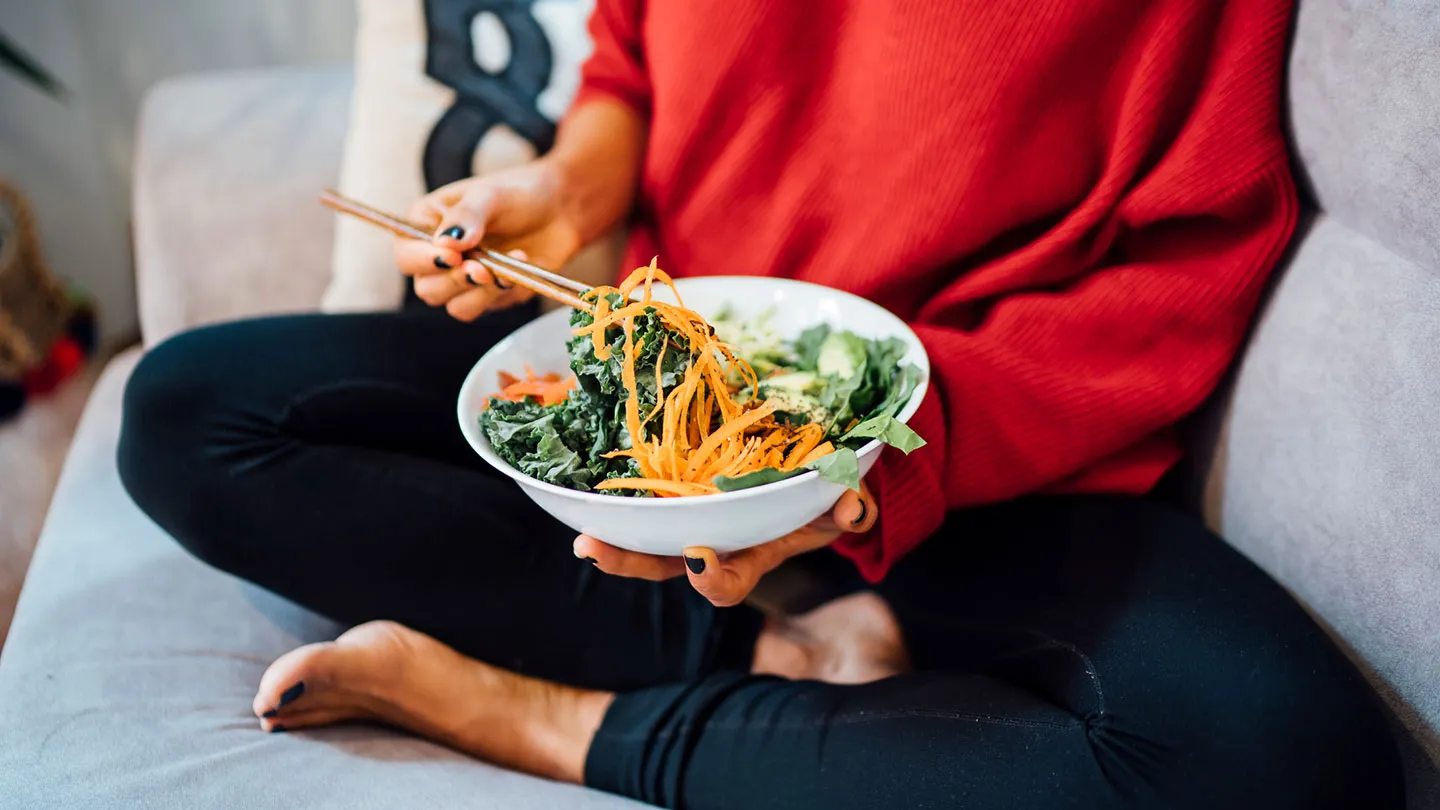
- Lunch: Grilled salmon salad with spinach, avocado, cherry tomatoes and olive oil dressing
- Snack: A handful of walnuts with sliced cucumber
- Dinner: Roasted turkey breast with quinoa, steamed broccoli and sweet potato
- Beverages: Green tea, filtered water with lemon or turmeric-infused warm almond milk
These meals provide fiber, protein, healthy fats and antioxidants, all key components in managing inflammation and promoting optimal healing.
Supporting Gut Health for Immunity and Pain Reduction
An often overlooked factor in pain management is gut health. The gut plays a central role in immune function, and when it’s imbalanced, systemic inflammation can increase. A diet that includes prebiotic fiber (found in bananas, garlic, onions and asparagus) and probiotic-rich foods (such as yogurt, kefir, kimchi and sauerkraut) can help maintain a healthy microbiome.
This balance supports immune regulation and reduces the likelihood of post-surgical inflammation spreading beyond the spine. A healthy gut enhances nutrient absorption, ensuring patients get the most benefit from their meals and supplements during recovery.
Coordinating Diet with Medication and Therapy
Patients recovering from spine surgery are often on multiple medications, including pain relievers, muscle relaxants and antibiotics. Some nutrients can interact with these drugs, so coordination with a registered dietitian or clinical nutritionist is advised. For example, vitamin K-rich foods can affect blood clotting for patients on anticoagulants, while certain herbal teas may interfere with prescription medications.
Likewise, a well-structured anti-inflammatory diet can support therapy sessions by improving energy, mood and endurance. When patients feel nourished and stable, they’re more likely to engage actively in physical therapy, sleep better and maintain motivation through the healing process.